The updated 13th edition of the Nice Classification reclassifies goods and services to streamline the trademark application and registration process.
Is your brand ready for the numeric revolution? The “2929” Delhi High Court decision signals a pivotal shift, proving numbers can be powerful, distinctive trademarks...
Adopting a secondary mark alongside a house mark is not always straightforward. Indian Courts weigh in on the likelihood of confusion in such cases, providing...
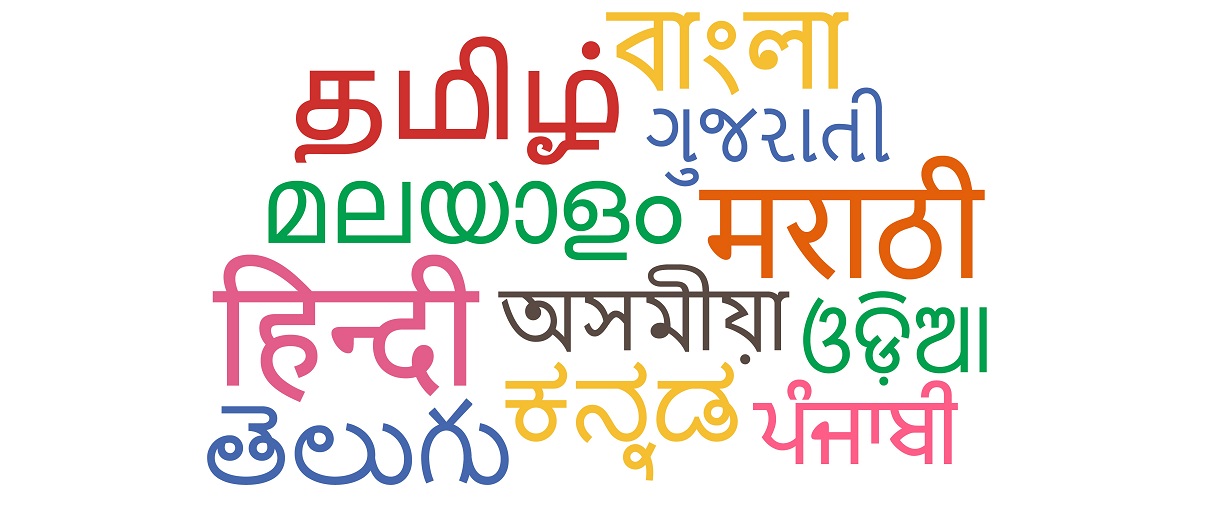
As India officially moves towards multilingual web domains, new challenges emerge for businesses and other stakeholders. How must we prepare for this multilingual revolution?. ...
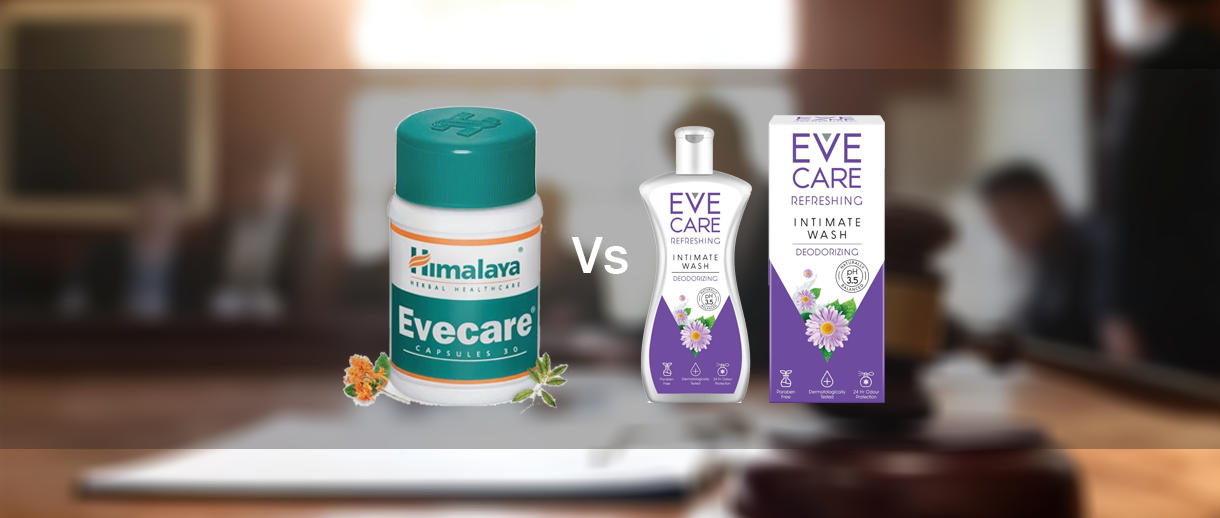
The Delhi High Court restrained Wipro from using the mark ‘EVECARE’ for women’s hygiene products after Himalaya filed a passing off action. The case discusses...
Businesses tend to prioritise securing their rights in their primary jurisdictions of operation, and / or jurisdictions that are strategically advantageous. This applies across all...
The primary objective of intellectual property (IP) law is to encourage creativity and innovation; the law must also maintain a fine balance such that the...
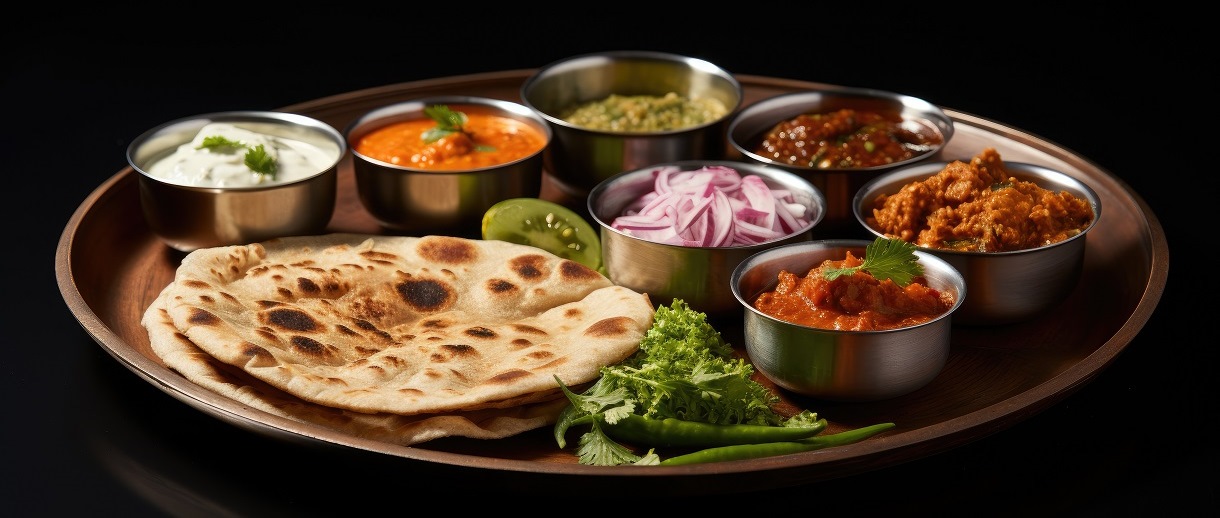
Food is a language that connects everyone worldwide. Cuisines change every few hundred miles, food habits and preferences vary with the climate, and families have...
The odds of successfully obtaining or protecting a trademark depend on various factors. For example, the presence of identical or similar marks, either pre-existing on...
Under Indian trademark law, any person claiming to be the proprietor of a trademark may apply to register the trademark. The trademark may either be...